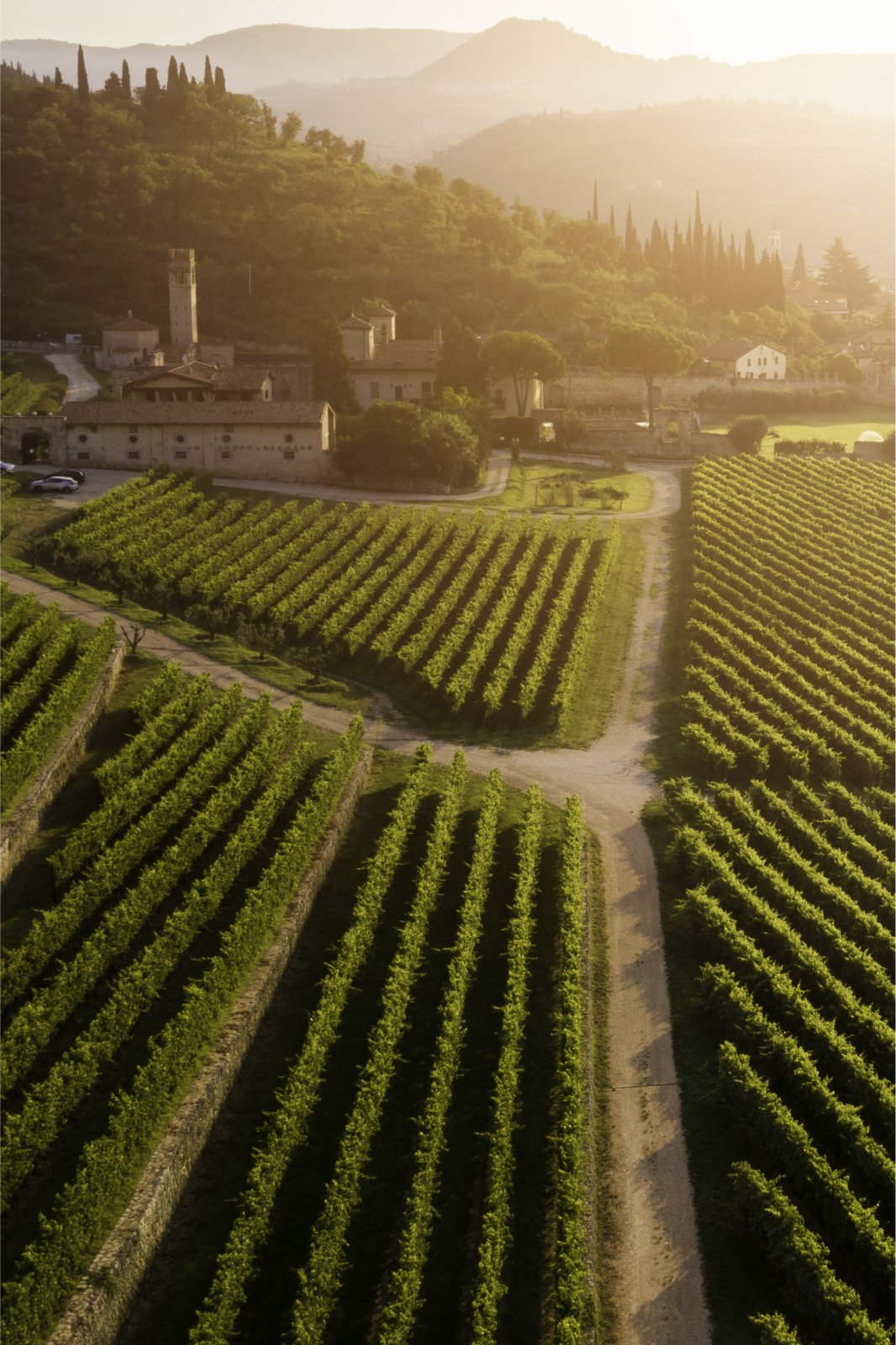
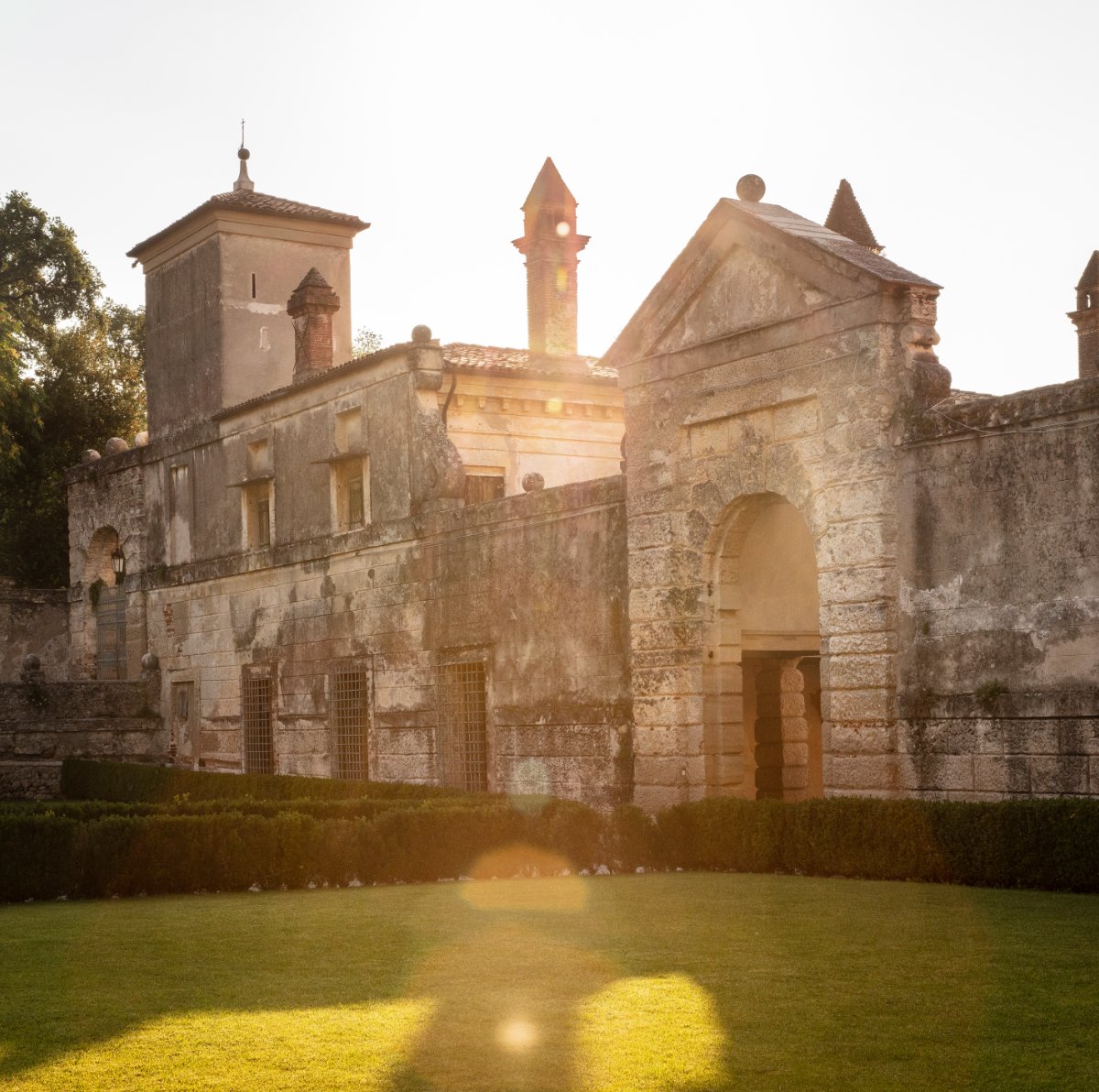
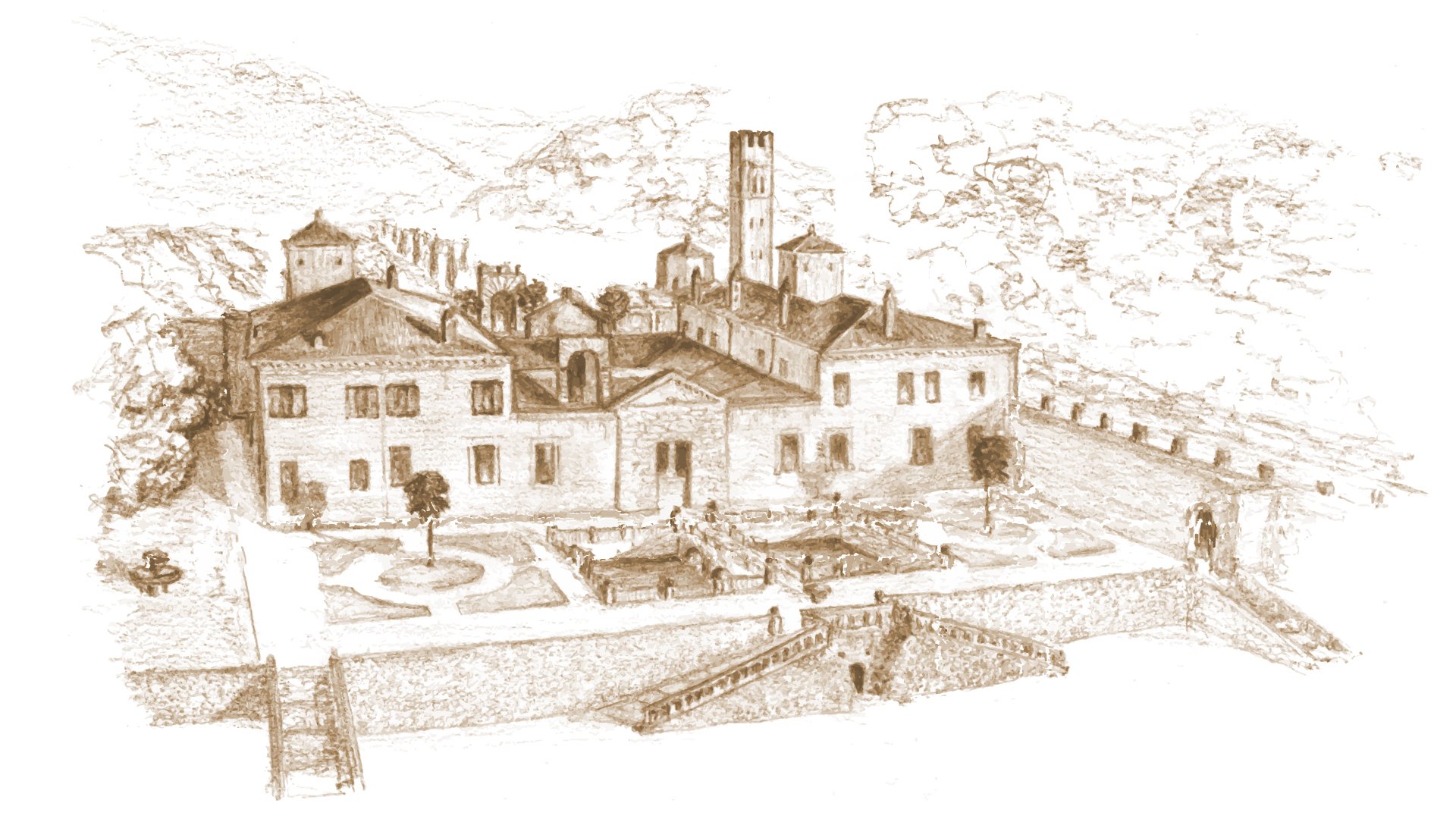
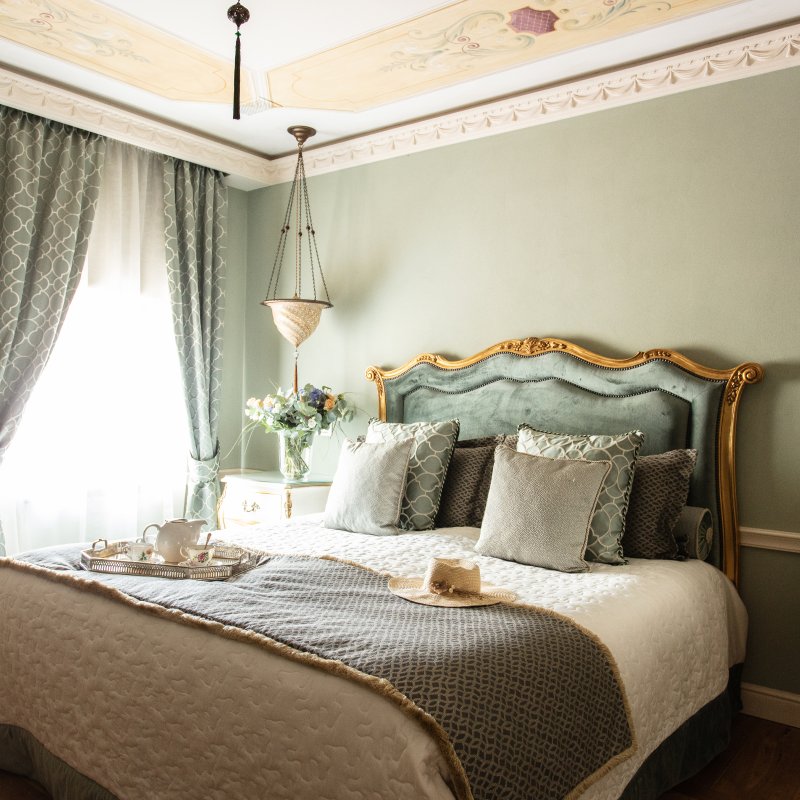
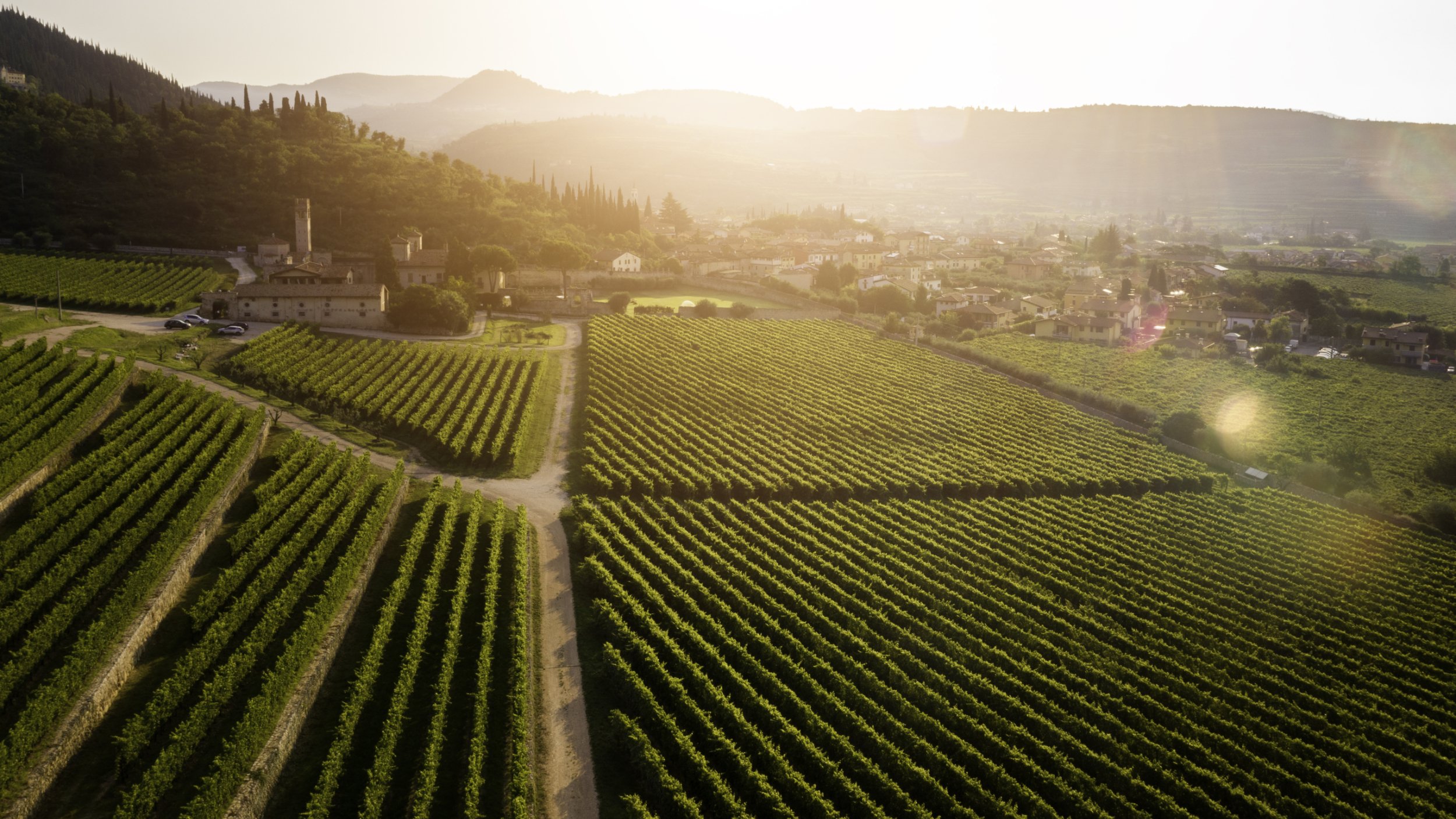
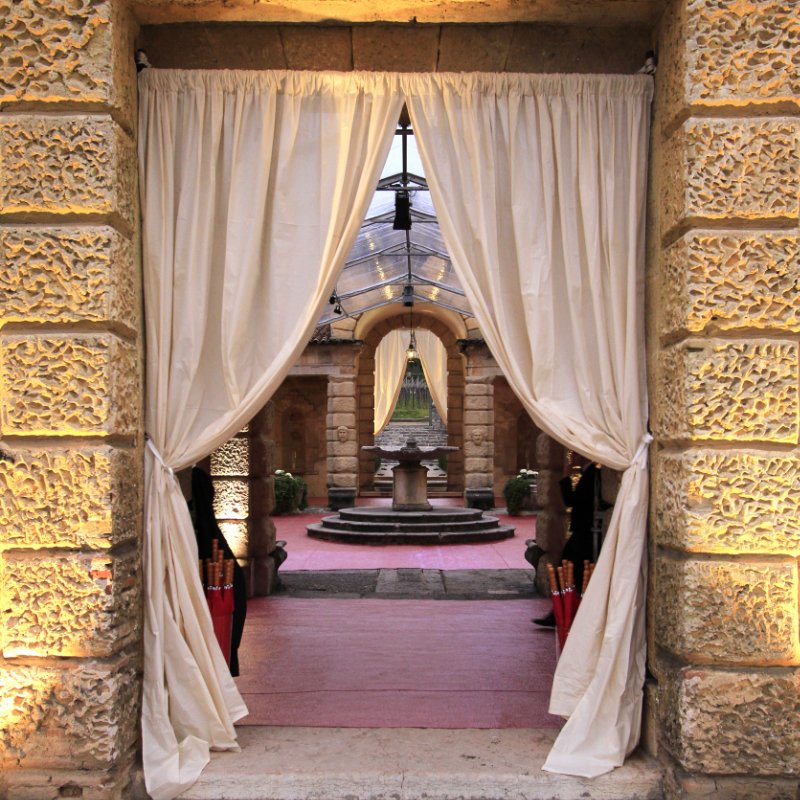
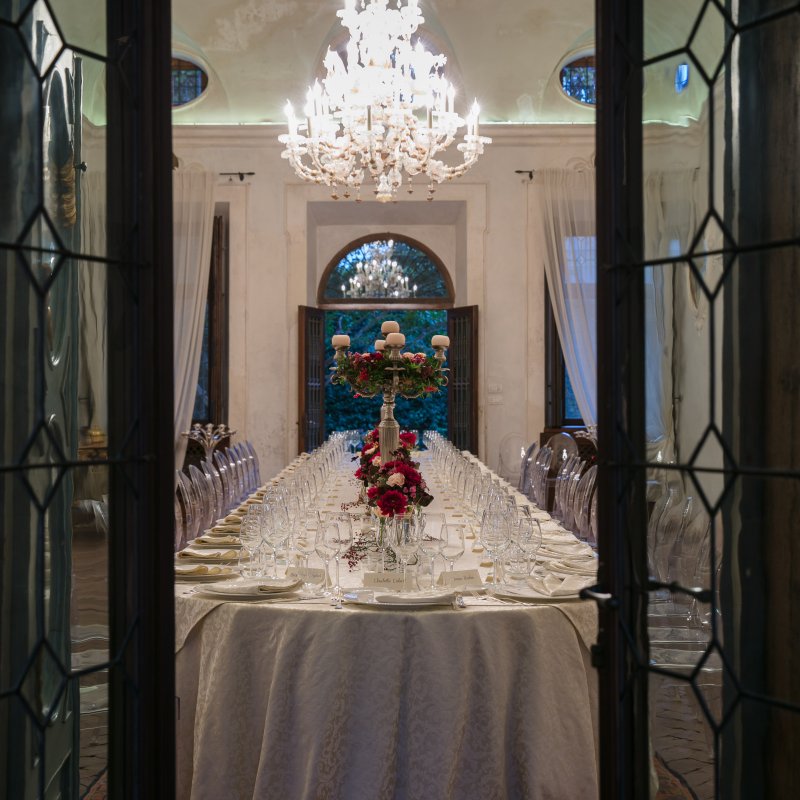
| Villa della Torre is a historical jewel of sixteenth century Italian architecture. The Villa was completed around 1560 and owes its creation to Giulio della Torre, a learned intellectual and humanist involved in significant social, political and religious activities. There are several hypothesis regarding the architectural authorship of the Villa, which even today the locals refer to as “el palasso” (the Palace): contributors to the project include Giulio Romano, the author of Palazzo Te in Mantova during the rule of the Gonzaga dynasty, Michele Sanmicheli, Bartolomeo Ridolfi and the same Giulio Della Torre, whose artistic versatility, taste and refined style were well known and appreciated in the high culture circles of that era. |
The unique character of the palace derives from its conception: not merely a country villa built for the agricultural activities of the estate, but also a place designed for peace and tranquillity of body and soul according to the canons of Latin writers so important in the Italian humanist tradition. While the Villa’s artistic curators concur in attributing the layout of Palazzo della Torre to the precepts of Vitruvio and Plinio il Giovane, they also assign a role to biblical themes, in the sense of a structural progression from the bottom (Hell) towards the top (Heaven), a blend of secular and sacred elements consistent with the profile of the Della Torre family, whose members balanced their humanist interests, with strong ties to the Church at times being influential prelates themselves, highly visible in the Verona society of the time.
There are many interesting spaces to visit and explore in the Villa:
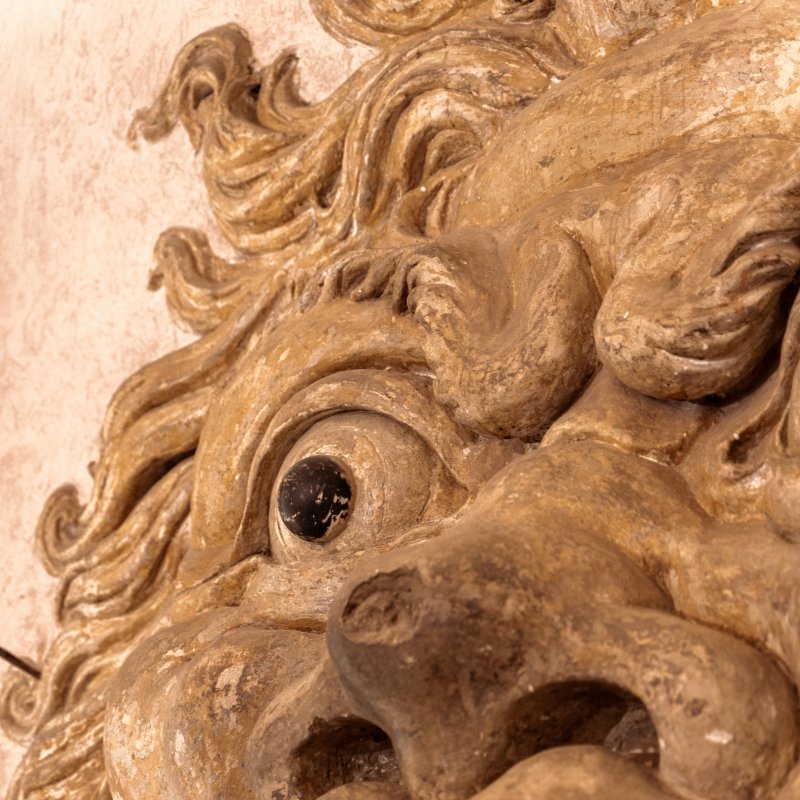
The Cave, another fascinating point of interest, has a ring-like design with an octagonal base, and its external facade is entirely covered with stones shaped like a gigantic, terrifying mask while the walls are decorated with elements from the natural world: snails, shells, pebbles from nearby rivers, quartz fragments and sponges, all still visible today.
Among the vast and flattering bibliographical entries, many consider the writings of Veronica Franco, a Venetian poet and courtesan who probably visited the Villa in the year 1575, to be the most accurate. In her descriptive verses, perhaps a bit emphatic but precise in their truth, the Villa Della Torre appeared worthy of the definition as one of the“palagi che fêr gli antichi imperatori e regi” (palaces built by ancient emperors and kings).
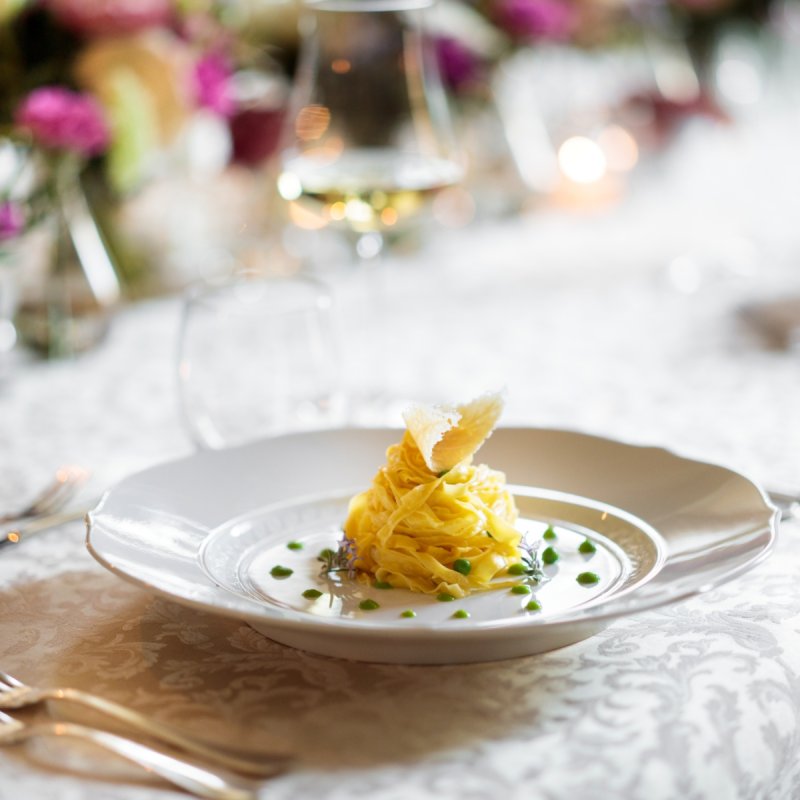
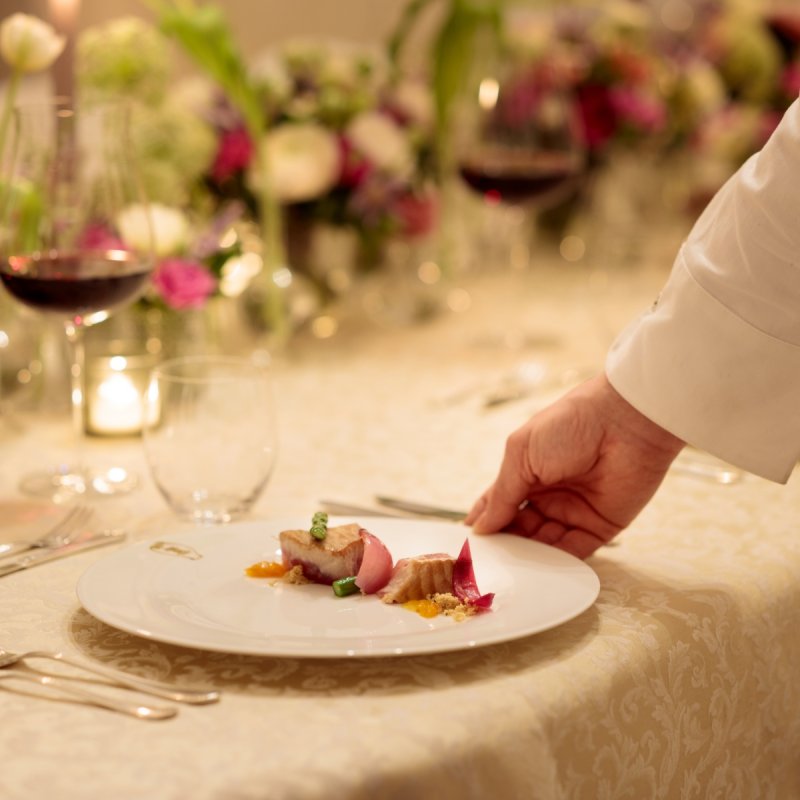
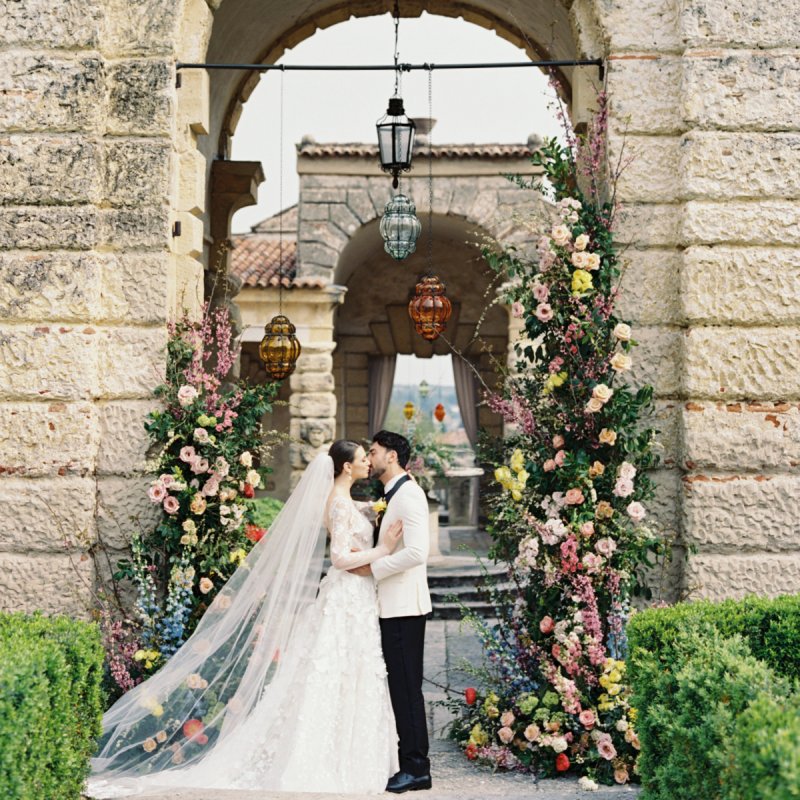
It is natural to think of those linked with the pleasures of wine and food experiences. Besides being ideally suited for these uses, the Villa, with its beauty and its uniqueness is the perfect setting for art and music festivals, and for conventions and corporate retreats. Weddings and other religious celebrations can be held in the Tempietto of the Villa, still officially consecrated as a church.
|
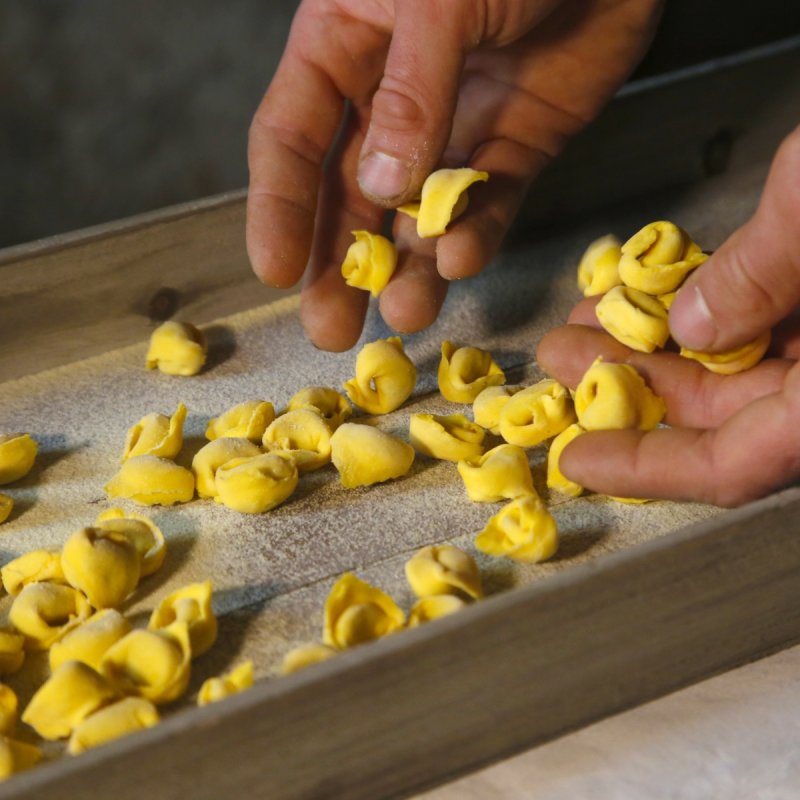
Luxury weddings Wine shop with guided tastings and visits Private banquets Managers’ meetings Cooking courses Concerts and performances Art location Fashion shows Sensory workshops |
![]() |
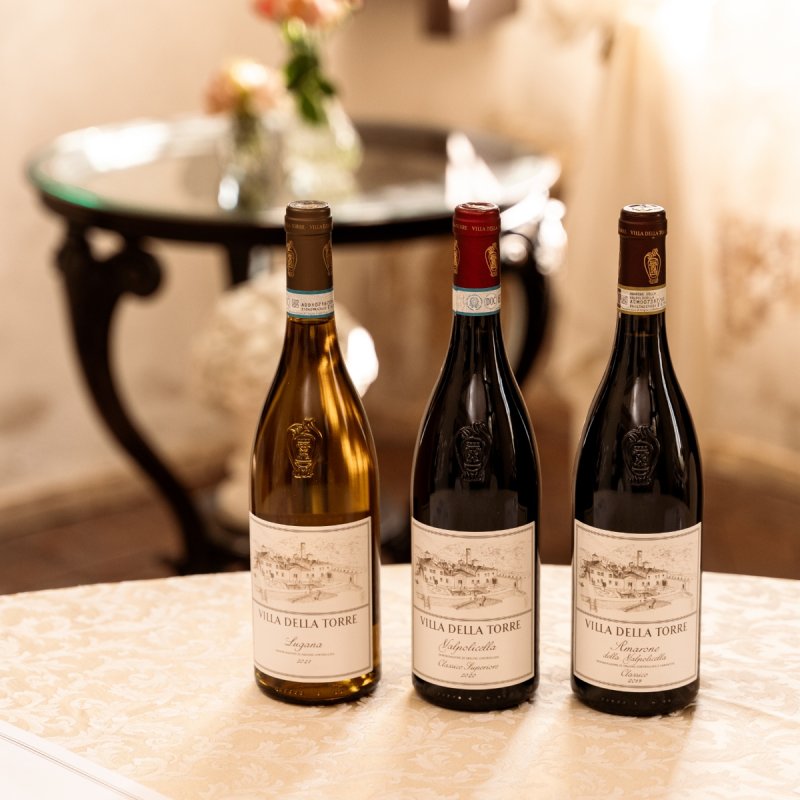
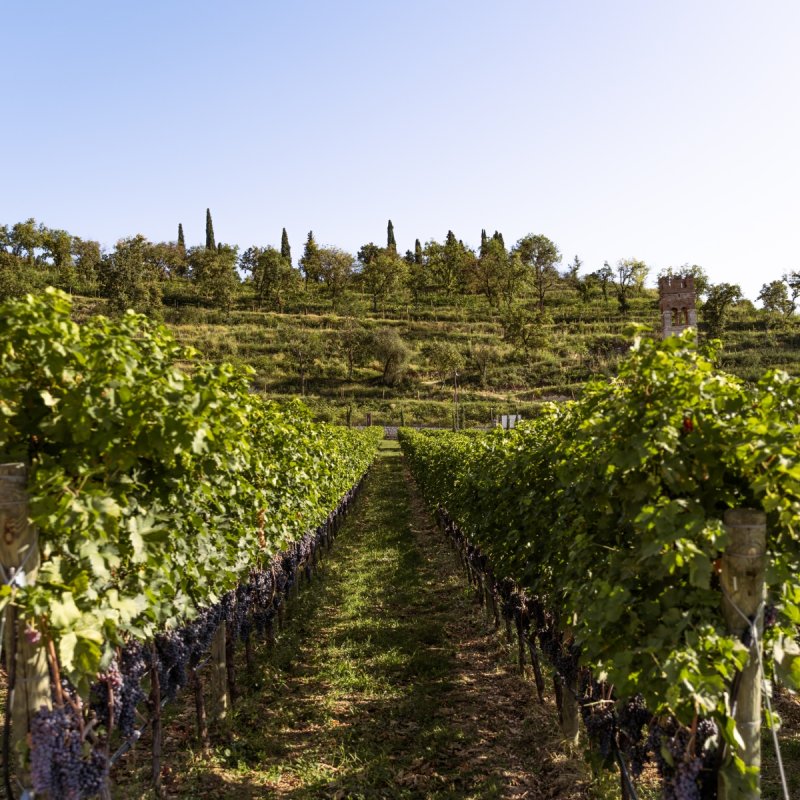
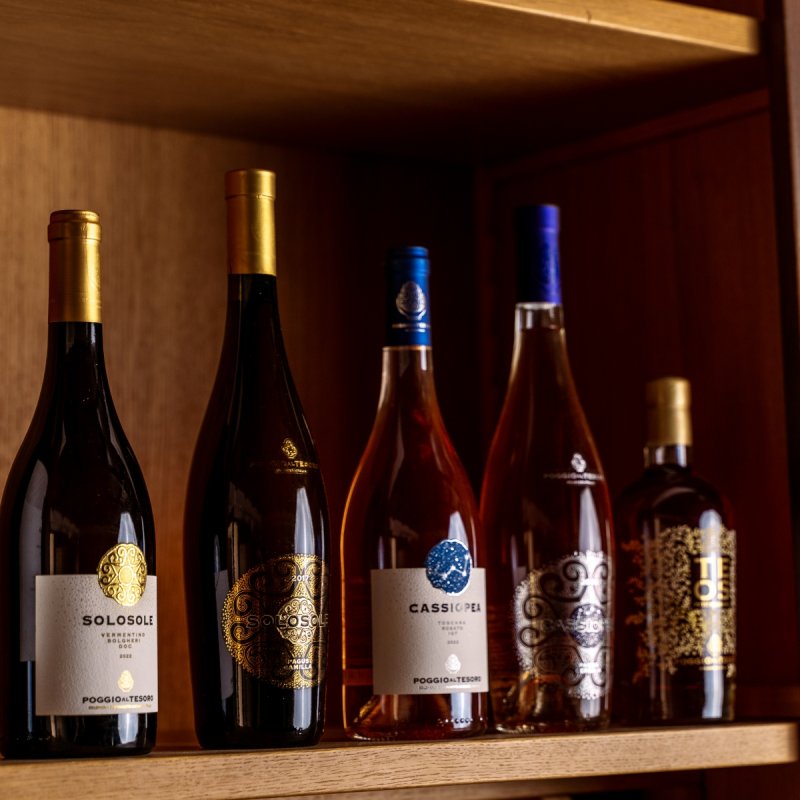
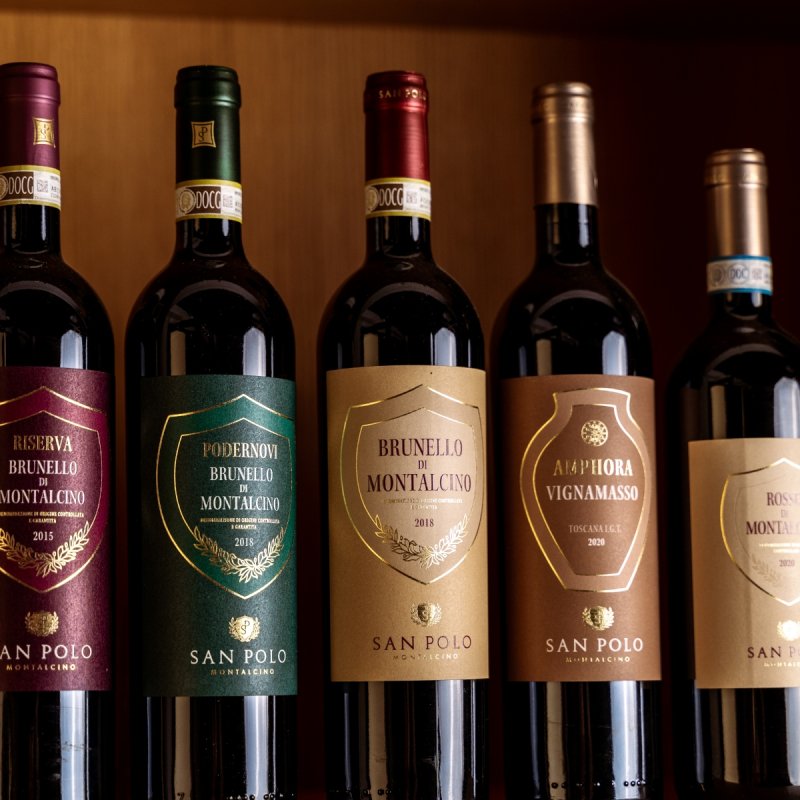
Guided Tours of Villa della Torre Allegrini should be booked in advance. It could also be accompanied by a tasting of our wines Allegrini (Fumane di Valpolicella), Poggio al Tesoro (Bolgheri) and San Polo (Montalcino).
Villa della Torre is located in Fumane di Valpolicella, 15 kms from the town of Verona, 16 kms from Lake Garda, 20 kms from Verona Villafranca Airport, 14 kms from the highway exit Verona Nord, 700 metres from Allegrini’s wine cellars.
Conditions of visit or use of the site to be agreed with:
villadellatorre@allegrini.it
Phone: +39 045 6832070
or
ospitalita@allegrini.it
Phone: +39 045 6832060
Fax: +39 045 7701774.