The Wines of
Villa Della Torre
Since 2019, Villa Della Torre has also been a winery, deeply rooted in Fumane and Valpolicella Classica. The project was born from a desire to strengthen the historic relationship between the Renaissance villa, the landscape and winegrowing, reviving a connection whose roots reach back to the 15th and 16th centuries, when the Venetian villas and their adjoining brolos helped transform Valpolicella's agricultural landscape.
Villa Della Torre is a particularly significant example of this encounter between agriculture, architecture and art.
Brolo
The vineyard occupies the villa's entire brolo, a term derived from the Latin brolium, which during the Renaissance referred to an enclosed area used to grow vines, olive trees, fruit trees and vegetables. At Villa Della Torre, the brolo still retains its original layout and remains entirely enclosed by 16th-century walls. This structure brings it close to the French concept of a clos, or walled vineyard, creating a garden of vines integrated into the villa's historic complex. Set at 200 to 240 metres above sea level, with an east and south-east exposure, it features soils of limestone-dolomite, basaltic, moraine and alluvial origin. The vines are Guyot-trained, with a density of approximately 4,500-4,800 plants per hectare, and the vineyard is distinguished by the traditional dry-stone walls known as “marogne”.
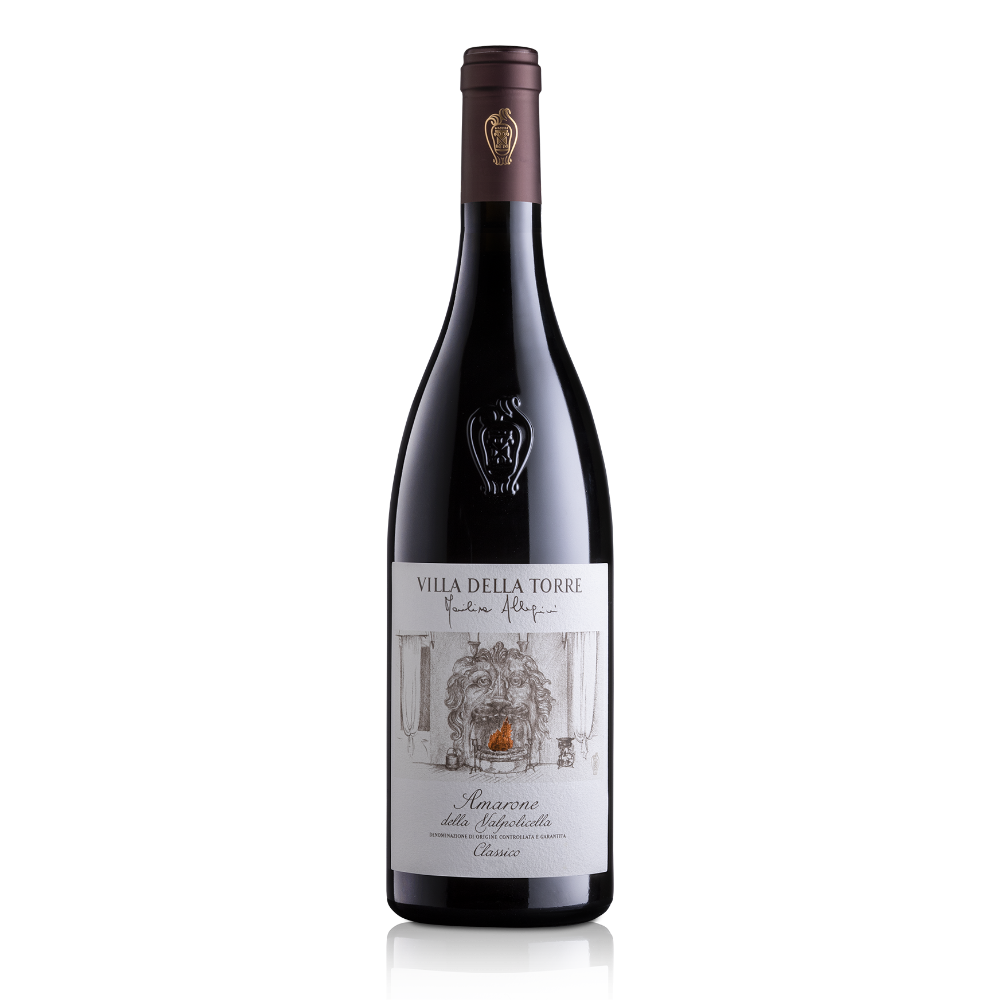
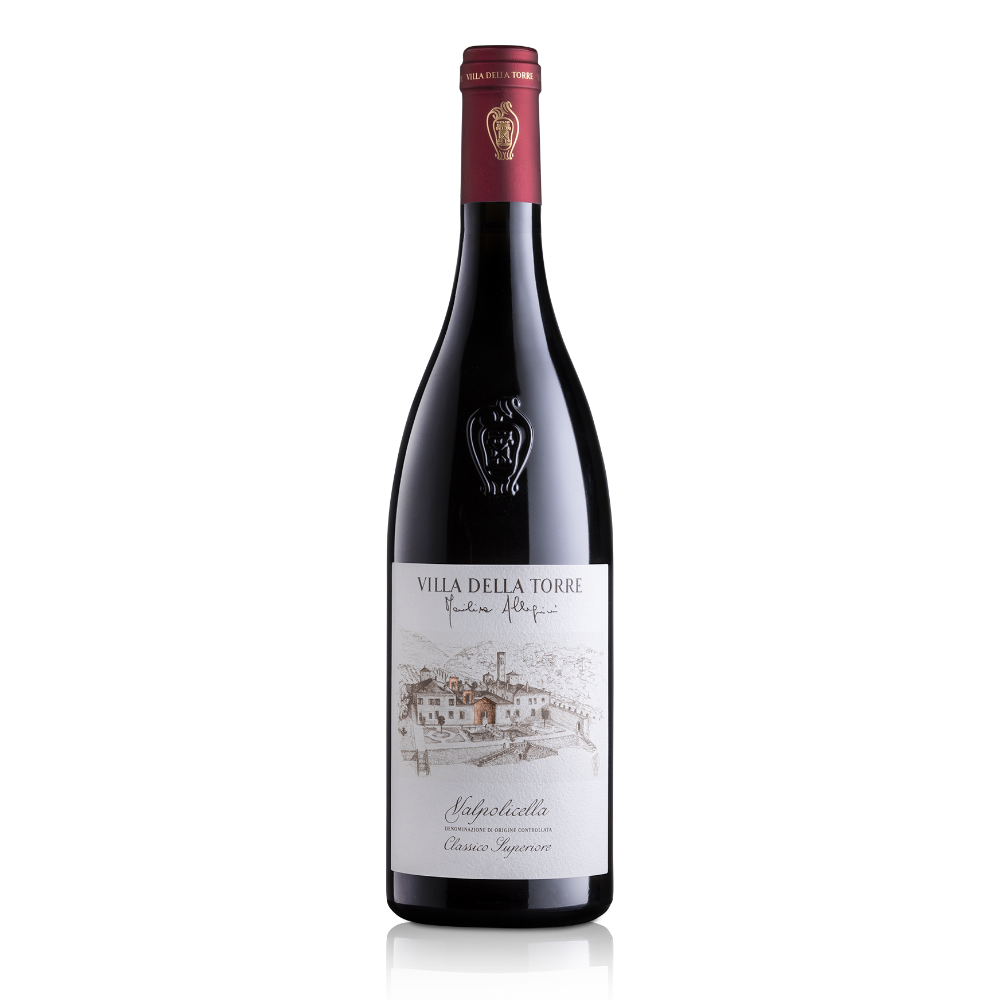
The production cellar is located in Sant'Ambrogio di Valpolicella, in a fully equipped industrial building featuring all the necessary technology. This includes an optical sorter, which allows the grapes to be checked with precision, removing plant matter and any berries unsuitable for vinification. Fermentation takes place in stainless steel and wood, while tonneaux and barriques are used for ageing.